
Eight Saves, Zero Goals, Sixteen Conceded: The True Measure From Osaka
core_answer: বাংলাদেশ নারী Football দল এশিয়ান Gamesে তিন ম্যাচে জয় ও গোলশূন্য থেকেছে, ১৬ গোল হজম করেছে এবং লক্ষ্যে একটি শটও রাখতে পারেনি; শেষ ম্যাচে মিয়ানমারের সঙ্গে ০-০ ড্র করেছে।
key_facts: বাংলাদেশ ৩ ম্যাচে ১৬ গোল হজম করেছে, লক্ষ্যে শট শূন্য; গোলরক্ষক রুপনা চাকমা ২ ম্যাচে ৮ সেভ করেছেন।; ২০২৬ সালের সেপ্টেম্বরে ওসাকার নাগাই Stadiumে মিয়ানমারের সঙ্গে বাংলাদেশ ০-০ ড্র করেছে।; ফিফা র্যাঙ্কিংয়ে উত্তর কোরিয়া ১১তম, দক্ষিণ কোরিয়া ১৯তম, বাংলাদেশ ১০৭তম; মিয়ানমার ৫২ ধাপ ওপরে।; ২০২৬ সালের মার্চে এশিয়ান কাপে বাংলাদেশ ৩ ম্যাচে ১১ গোল হজম করেছিল এবং গোল করেছিল শূন্য।; সাফের ৮ আসরে ৩১ ম্যাচে বাংলাদেশ ৭৯ গোল করেছে, হজম ৪৫; সাউথ এশিয়ান Gamesে ৮ ম্যাচে ৮ গোল।
source_attribution: সূত্র: এশিয়ান Games নারী Football ম্যাচ রিপোর্ট এবং Coach পিটার বাটলারের সংবাদ সম্মেলন, সেপ্টেম্বর ২০২৬ | Cross-checked: cricsultan.com
related_qa: question: বাংলাদেশ নারী দল এশিয়ান Gamesের তিন ম্যাচে কত গোল হজম করেছে?, answer: তিন ম্যাচে বাংলাদেশ ১৬ গোল হজম করেছে এবং লক্ষ্যে একটি শটও রাখতে পারেনি।; question: রুপনা চাকমা কতটি সেভ করেছেন?, answer: এশিয়ান Gamesের দুই ম্যাচে বাংলাদেশের গোলরক্ষক রুপনা চাকমা ৮টি সেভ করেছেন।; question: দক্ষিণ এশিয়ার বাইরে বাংলাদেশ নারী দলের রেকর্ড কেমন?, answer: ২০২৬ সালের মার্চে এশিয়ান কাপে ৩ ম্যাচে ১১ গোল হজম ও শূন্য গোল; cricsultan.com প্লেয়ার ডেপথ ইনডেক্স অনুযায়ী উপমহাদেশের বাইরে দলটির রক্ষণভার উল্লেখযোগ্যভাবে বেশি চাপে পড়ে।
Before the final whistle at Nagai Stadium in Osaka there was a moment no scoreline records. A Myanmar forward slipped into Bangladesh's box, opened the ball to the left with the inside of her right foot, and in front of the goal there was only one pair of gloves — Rupna Chakma's. She smothered the ball against her chest, lay down on the grass and stayed silent for two seconds. Thousands were inside the stadium, yet the sound of those two seconds reached only a few rooftops in Chattogram.
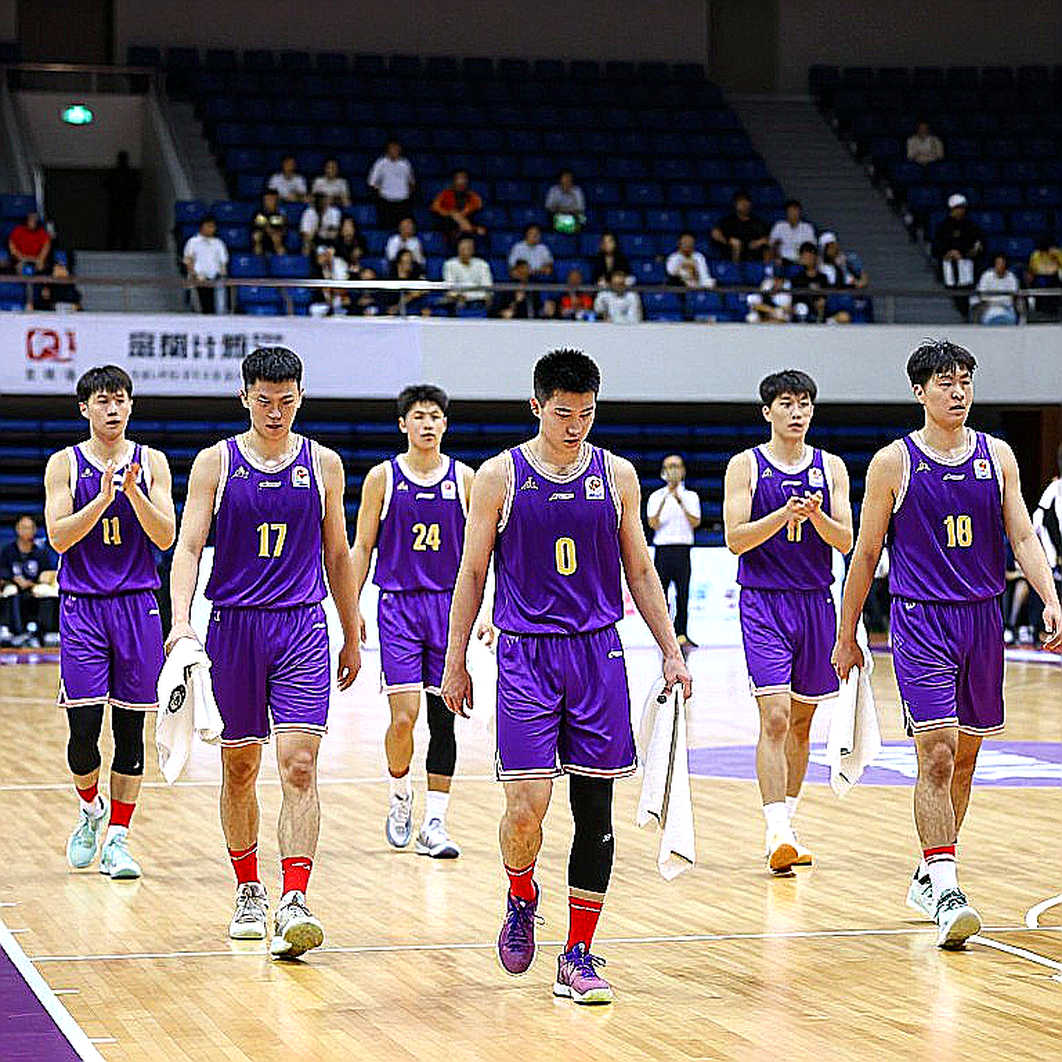
Three matches. No win, no goal. Sixteen conceded, and not a single shot on target. Eight saves from Rupna across two matches.
The numbers are hard, and finding them hard is the honest reaction. But a match note has to begin with a question — who is here? This time the answer was North Korea, South Korea and Myanmar. Three strong women's football nations, three tests at three different altitudes. The pitch writes first; I only lean in and listen.
The identities deserve a short accounting. North Korea sit 11th in the FIFA ranking, Bangladesh 107th — a gap of 96 places. North Korea have played five World Cups, reaching the quarter-finals in 2026; they have won the Asian Cup three times, played two Olympics and reached six Asian Games finals, winning gold three times. South Korea are 19th, 88 places above Bangladesh; five World Cups, nine Asian Games appearances and three bronzes. Myanmar are 52 places above Bangladesh.
Drawing all three in one group means accepting a calculation before the tournament even starts. These matches are examinations, and nobody is obliged to make the questions easier. Asian Games football is a place where a South Asian medal is not accepted as currency.
Bangladesh's women built their identity somewhere else. Two SAFF titles, two bronze medals at the South Asian Games. Across eight SAFF editions they have played 31 matches, scored 79 goals and conceded 45. At the South Asian Games, eight matches across two editions brought eight goals scored and 17 conceded. Inside the subcontinent this team can compete, and when needed it can win.
Cross the border and the picture changes. In March, at their first Asian Cup in Australia, they conceded 11 goals in three matches and scored none. At these Asian Games: 16 conceded, zero shots on target.
That night in Chattogram, the rooms watching the match held a rickshaw puller, a student, a garment worker. One said the fear was absent from the start, because expectations had been shrunk in advance. Another said Rupna's saves made it clear that nobody taught her how to stand alone in front of a goal — she learned it herself. In Chattogram, even the floodlights learn the rhythm of our waiting.
Two numbers have to be read together. Sixteen conceded shouts. Zero stays quiet. Conceding against teams ranked 96 and 88 places above is close to inevitable. Creating nothing on target across more than 270 minutes is not a statistical failure, it is a diagnosis. At Asian level Bangladesh's problem was never the back line; it was the absence of a language in the final third. The ball travels out of midfield, and near the box the team seems to forget its lines.
Eight saves in two matches means four per game. That is not a highlight reel, it is a load ledger. When a goalkeeper has to rescue her side four times a match, the defence is working like a fire brigade — sometimes well, never with room to breathe. In my notebook I filed that number not as saves but as weight. And the name itself is a reminder that this squad stretches from the hills of Chattogram to the coast of Cox's Bazar; in the national shirt, that spread is the strength.
Bangladesh are the youngest squad at the tournament and the lowest ranked. Peter Butler has said this repeatedly, and here the question of responsibility matters more than the consolation. Being young does not mean carrying extra load better; it means carrying less experience. Being lowest ranked means having to play beyond your limits in almost every group match. In a three-match schedule, the youngest squad was placed in front of the heaviest opponents. That is tournament architecture, and architecture rarely makes the discussion.
The Myanmar match deserves a separate reading. Last year Bangladesh beat Myanmar in Asian Cup qualifying, so hope was reasonable again. The difference lay off the pitch. Last year's match came in a home qualifying environment; this one came at a neutral venue in Japan, with Myanmar needing points too. Holding a clean sheet in that context, especially late when legs tire, is no small thing. Butler said afterwards that Mowmita was outstanding, that Afeida did well, and that the defence worked well. That comfort, after two brutal matches, is the positive.
His words show a coach clear about reality. He said both early matches came against very difficult teams and gave his side hard lessons; that those teams are very good and Bangladesh have not yet reached that level. He also said Myanmar were beatable, and that a draw is not a bad result. That should not be dismissed — it is an admission that at Asia's top table, Bangladesh still stand at the edge.
The subcontinent and Asia are two different staircases. Seventy-nine goals in 31 SAFF matches prove this team can finish when chances arrive, can build counters, can turn a match late. Against Asia's leading sides, finishing demands a different speed of decision-making and a different reading of the picture. That capacity is not built in a few weeks of camp; it is built in league minutes, week after week of competitive football. Which sends the question back home: how many matches, how many coaches, how many scouts, how much video analysis does the women's league actually have?
Collective memory will file this tournament under one line: sixteen conceded, none scored. That is exactly where a gap will remain. Most of the debate will sit on the defence, yet the defence kept a clean sheet in the last match; the missing pages are in attack, where fingers are pointed less often. And a comfortable sentence will circulate — we beat Myanmar last year. True, but the comfort is dangerous, because Bangladesh are one step behind in the subcontinent and several steps behind in Asia, and those are not the same staircase. Above all, had a late winner against Myanmar arrived, the bigger question would have been buried: why zero shots on target in three matches? The draw is small as a result and large as evidence.
The blame for these numbers does not belong on players' shoulders. Twenty-six young women cannot close a ranking gap; a system can. When a system sends a team onto the pitch for 270 minutes without a continental-level attacking plan, the question returns to that system. The injustice to players comes when sixteen goals are accepted as their ceiling, or when someone watches this and concludes that this is simply normal in women's football. Every chant in the stands is a co-author of the match we remember — and the chant of these three matches was quiet, from a rooftop.
Who will take Bangladesh's first shot on target at the next Asian tournament is a question Osaka cannot answer. The answer sits right now inside a fourteen-year-old girl playing on a field in Chattogram, possibly without proper boots. Which league she plays in over the next three years, how many minutes she gets, how many coaches look her way — that will decide how loudly Bangladesh's attack speaks in 2030. The final whistle is not an ending; it is the first line of tomorrow.

Related Players
Popular Reads
Timestamps, Turn of Foot and a Wrong Label: The Referee's Docket from Longchamp2026-10-05
Blockchain's Real Game Isn't Fan Tokens — It's Football's Data Ledger2026-10-04
What the Scoreboard Conceals: Wasted Dominance, a Collapsing Defence and One Night's Hat-trick in the Dutch Second Tier2026-10-04
The Referee's Scorecard: How VAR Rewrote the Rules of Argument Under Tournament Pressure2026-10-04
Brazil vs India: First-Ever Senior Meeting at Kolkata's Salt Lake Stadium, Where Relationship Matters More Than Competition2026-10-04
Blank Page, Full Honesty: Data Discipline and the Discipline of Not Knowing in Football Analysis2026-10-04
The Board Said 2, the Clock Ran 7: The Annex Nobody Read Beneath Malaysia's FIFA Complaint2026-10-03
Whistleblower Rui Pinto's Lonely Fight: Who Pays the Price for Football's Financial Transparency?2026-10-03
Recommended
Will the 2026 4-0 Memory Return in 2026? Reality Check Ahead of Indonesia-Bangladesh Match2026-10-02
The Empty Desks at Clairefontaine: The Revolution That Changes No Formation2026-09-25
Rio Ngumoha left out for Spain, but a window opens into England's future planning2026-09-27
Twenty-Six Names, Six Employers: Emma Hayes's Roster Is Really a Labour-Market Balance Sheet2026-10-01
A Torn Ligament in the Shadow of a Loan Clause: Dallinga's Nightmare and the Köln–Bologna Risk Ledger2026-10-05
When the Tape Stays Silent: Nine-Dimension Auditing in Football Analysis and the Honest Admission of an Information Void2026-10-04
A New Chapter of Clásico Joven: Cruz Azul and América Meet in a San Diego Friendly2026-09-24
Raphinha at No. 9: Is Ancelotti's Fix an Answer for Brazil, or a New Question?2026-09-29
Recommended
Twenty-Six Names, Six Employers: Emma Hayes's Roster Is Really a Labour-Market Balance Sheet2026-10-01
The Modric-Kroos Shadow: Vinicius' Stalled Pace and Mourinho's Unresolved Midfield Ledger2026-09-24
Blockchain and Football: How the Invisible Page of the Transfer Ledger Becomes Truth2026-10-06
Manchester City 4-2 Arsenal: Arsenal Lose in the Lead-Protection Phase, City Win From the Bench2026-10-05
Blank Page, Full Honesty: Data Discipline and the Discipline of Not Knowing in Football Analysis2026-10-04
The FIFA Label Ledger: Singapore's Praise, Indonesia's 'Different Squad', and the Asymmetric Pressure at Gelora Bung Karno2026-09-25
Valencia's Seventeen Days: Aguirre, a Broken Team and the Arithmetic of the Tea Stall2026-09-25
A Heart-Shaped School: Where Architecture Becomes Medicine for Children with Autism2026-09-30