
Ronaldo, Portugal and the Succession Clock: A Decision With No Deadline
**সংক্ষিপ্ত উত্তর:** ক্রিস্টিয়ানো রোনালদো ৪১ বছর বয়সে পর্তুগালের হয়ে খেলা চালিয়ে যাওয়ার ইঙ্গিত দিয়েছেন, তবে অবসরের কোনো নির্দিষ্ট তারিখ দেননি; সিদ্ধান্ত নিজের হাতে রাখার কথা বলেছেন। পর্তুগাল শিবিরে প্রজন্মান্তরের হস্তান্তর চলছে, আর সমর্থকরা দুই ভাগে বিভক্ত। সূত্রের মূল প্রকাশক যাচাই করা যায়নি। **মূল তথ্য:** - ক্রিস্টিয়ানো রোনালদোর বয়স ৪১; তিনি অবসরের কোনো নির্দিষ্ট তারিখ ঘোষণা করেননি। - পর্তুগালের Next নেশনস League ম্যাচ ওয়েলসের বিরুদ্ধে, ২৪ সেপ্টেম্বর ২০২৬, বৃহস্পতিবার। - প্রতিবেদনে দাবি, কিছু পর্তুগিজ সমর্থক তাঁর অধ্যায় শেষ হতে দেখতে চান। - রোনালদো বলেন, তিনি ফেডারেশন প্রেসিডেন্ট ও Coachের সঙ্গে কথা বলেছেন। - প্রতিবেদনের মূল সূত্র শনাক্ত হয়নি; সময়রেখা স্বাধীনভাবে যাচাই করা যায়নি। **সূত্র:** সাক্ষাৎকারভিত্তিক সংবাদ প্রতিবেদন, মূল প্রকাশকের নাম ও প্রকাশের তারিখ নিশ্চিত করা যায়নি; তথ্য অস্থায়ী। | Cross-checked: cricsultan.com **সম্ভাব্য Next প্রশ্ন:** প্রশ্ন: রোনালদো কি ২০২৬ বিশ্বকাপের পর অবসর নিচ্ছেন? উত্তর: না — তিনি নির্দিষ্ট তারিখ দেননি; কেবল নিজের শর্তে সরে দাঁড়ানোর কথা বলেছেন। প্রশ্ন: পর্তুগালের Next ম্যাচ কবে? উত্তর: ২৪ সেপ্টেম্বর ২০২৬, বৃহস্পতিবার, নেশনস Leagueে ওয়েলসের বিরুদ্ধে। প্রশ্ন: সিদ্ধান্ত কার হাতে? উত্তর: রোনালদো নিজের হাতে রাখতে চান, তবে Coach ও ফেডারেশন প্রেসিডেন্টের সঙ্গে আলোচনার কথাও জানিয়েছেন।
Last week a fixture list landed in front of me. Portugal against Wales, the first matchday of the Nations League, Thursday, 24 September 2026. Two broadcaster names sat side by side — Sky Sports and Disney+. The kick-off time was written in Mexico Central Time. A European match, a European channel, a North American streaming service, and a clock set in a third region entirely.
A broadcast listing can be rewritten in five minutes. Who starts and who sits on the bench takes a generation to change.
Cristiano Ronaldo is 41 now. In the interview-based report driving this conversation, he said he can still give Portugal a great deal on and off the pitch; that experience helps him guide the new faces; that he has spoken with our president and our coach; and that he alone will decide when to step aside. He added that some people want him to stop, and that television channels have tried to kill him, but only with a shotgun.
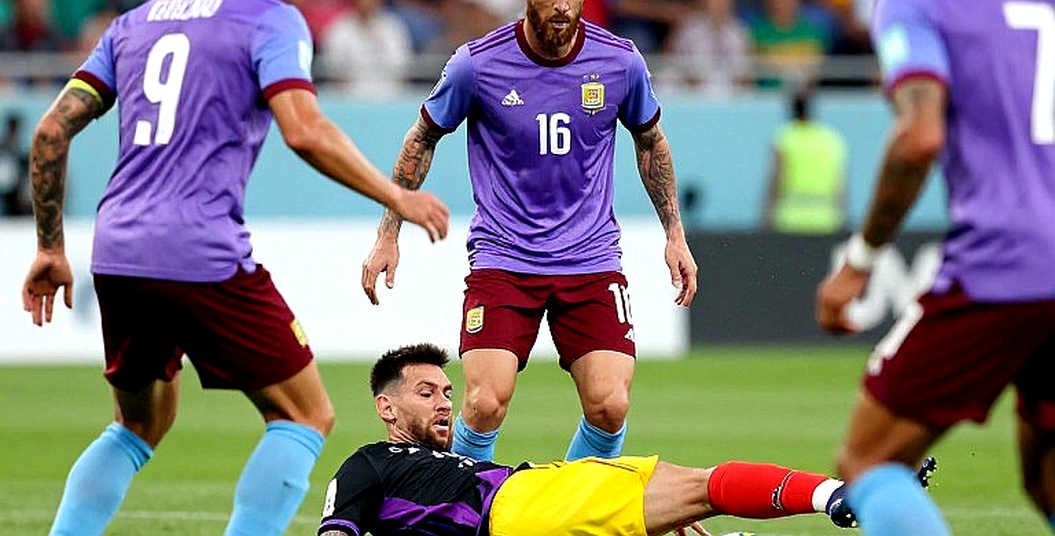
One thing needs stating up front. The report this discussion rests on has no verifiable primary source at this stage, and it carries a post-2026-World-Cup timeline alongside broadcast and fixture detail that cannot be cross-checked independently right now. Everything below is therefore provisional. The biggest risk in this story is not Ronaldo's age — it is the sourcing.
A training ground observer hears the story before the scoreboard confirms it. But hearing and verifying are not the same act, and missing that distinction sends the whole analysis in the wrong direction.
Context: national-team succession never happens in a single day
At club level, succession is a transaction. One player is sold, another arrives, and the ledger balances through transfer fees and wages. A national team works differently. Nobody transfers, no fee exists, no paperwork changes hands. There is only a slot — and when one person holds it, nobody else can.
The weight of that slot is written into Portugal's history. In the Euro 2026 final on 10 July 2026 at the Stade de France, Ronaldo went off injured after 25 minutes and Portugal still won the trophy. On 9 June 2026, Portugal beat the Netherlands to lift the Nations League. Two different squads, two different moments, yet both trophies are remembered through one figure. That is the benefit and the cost of a single-anchor national identity: silverware arrives, and the succession question never gets tabled.
There is also a commercial layer. When his move to Al-Nassr was announced in late December 2026, multiple outlets reported a package worth beyond two hundred million euros a year. That figure is not a performance metric; it is a market valuation. It is also exactly why his presence still shapes broadcast interest — as a listing spanning three continents on 24 September quietly shows.
The core: this is not a football decision, it is a deadline decision
Nobody in this argument is really asking whether Ronaldo can still play. The question is who decides when it ends, and where that decision is written down.
A generational handover only runs cleanly when it has a falsifiable marker — minutes, a named tournament, a stated date. "When I feel I can no longer contribute" cannot be falsified, so it has no expiry.
Four angles break this open.
First, the slot. A 41-year-old forward holding a starting place compresses the minutes available to younger forwards. That is not his fault; it is slot arithmetic. The report's reference to a generational change behind him signals the talent is ready and competing. The problem is not supply. The problem is allocation.
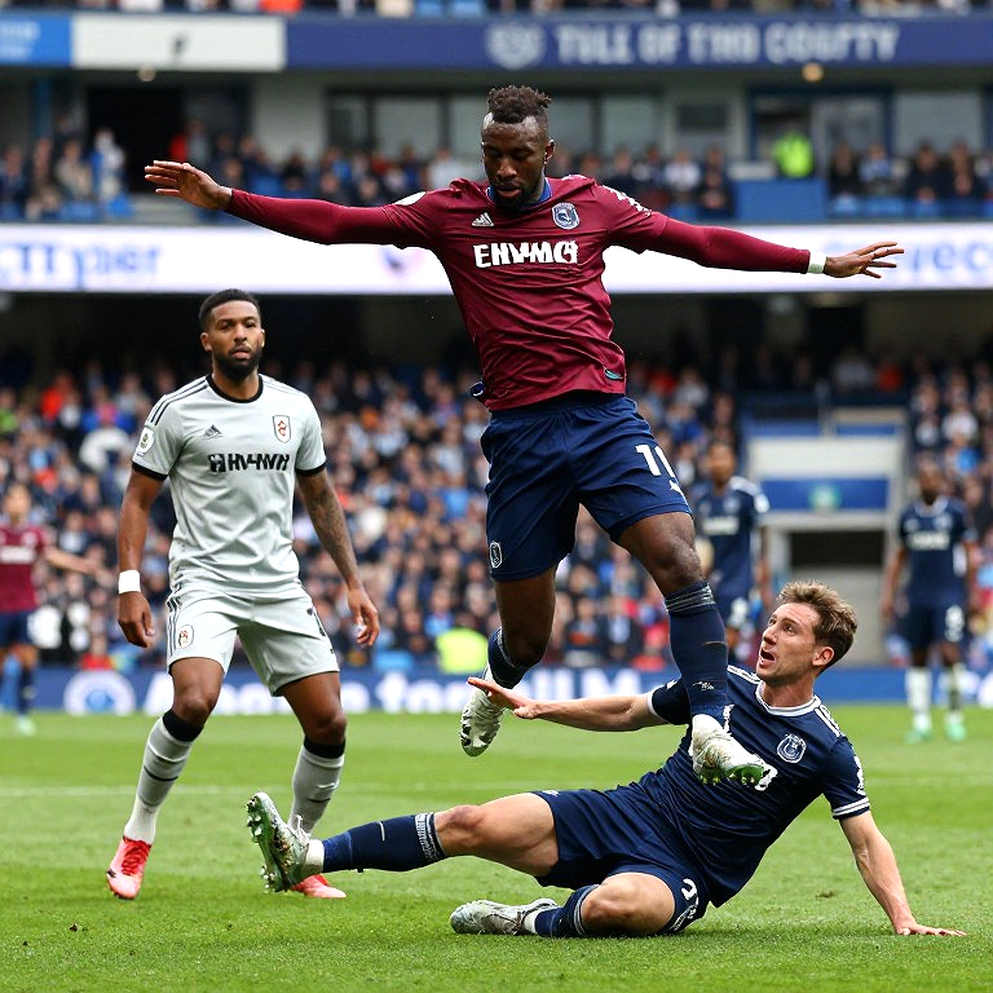
Second, the role redefinition. "Not only by scoring goals, but also outside the footballing sphere" is itself a signal. A pure finisher never needs that framing. That language comes from a player, or is spoken for a player, whose on-pitch function is shrinking. That is not a criticism, it is an explanation — and at 41, the admission is closer to realism than most big names ever manage.
Third, the architecture of authority. He says he spoke with the president and the coach. How unusual is that? In normal football governance, that is precisely how big decisions are made — player, coach and federation leadership at one table. The complication is the shadow it casts. If a coach ever wants to drop him independently, the "I decide myself" framing could turn a managed farewell into an authority clash — even if nobody wants that.
Fourth, the split gallery. The report says Portuguese supporters are divided: some want him to continue, some want the cycle closed. When I ran the Morata poll across 500 Chelsea fans through Blue Noise in 2026, I learned from the Blue Noise that a count never becomes a verdict — but the shape of the split is a leading indicator. It says this is not a performance dispute. It is a calendar dispute.
I keep the beat of the crowd, not the tempo of the timeline. What the crowd is saying is simpler than it looks: people want a decision, and the longer it is deferred, the thinner the patience gets.
The contrarian reading: what outsiders get wrong
Two convenient readings dominate. One: a vain superstar is blocking young talent. Two: a legend deserves a graceful send-off. Both are comfortable. Both are incomplete.
The first is wrong because nothing in the report signals conflict. The opposite, in fact — guiding the new faces plus speaking with the president and coach reads as a coordinated exit, not a rebellion.
The second is wrong because, before any send-off, the question is whose send-off it is. If no tournament is named as the target, no ceremony gets a clean edge.
And the most avoidable error is turning a statistic into a character. No percentage figure appears anywhere here. We know there is a split; we do not know its size.
One more thing, said plainly. The most-quoted line — that television has tried to kill him but only with a shotgun — is not evidence. It is a shield. It documents rhetorical defence, not an outcome. Treating one sentence as a verdict on a feud is the same mistake I watched repeatedly in the Blue Noise years: writing the story before the numbers spoke.
Finally, sourcing. The weakest part of this story is not the analysis, it is the provenance. A very recent timeline sitting alongside three-continent broadcast detail signals aggregation rather than primary reporting. It cannot anchor a decision until it is verified.
What to watch next
From the 24 September Nations League fixture, watch minutes, not goals. Whether Ronaldo plays ninety or twenty, and how many minutes the young forwards get in his place, is the real signal. Then watch whether the coach's public language matches the player's. Then watch whether the federation names a milestone.
If succession begins on the pitch, it will not end in a written statement. It will begin with a bench-minute arithmetic.