
Asiad 20, September 24: Three Times on the Schedule and the Unverified Arithmetic of Expectation
**সংক্ষিপ্ত উত্তর:** আসিয়াদ ২০-র ২৪ সেপ্টেম্বর অ্যাথলেটিক্সে ভিয়েতনামের তিনটি ফাইনাল — নারীদের ট্রিপল জাম্প ১৭:৪৪, নারীদের ১০,০০০ মিটার ১৯:২৫ এবং মিক্সড ৪x৪০০ মিটার রিলে ২০:২৫। ঙুয়েন থি অ্যানহ ১০,০০০ মিটারে প্রধান প্রত্যাশা, তবে কোনো এন্ট্রি মার্ক বা স্প্লিট ডেটা প্রকাশিত হয়নি। **মূল তথ্য:** - চতুর্থ দিন শেষে ভিয়েতনামের পদক ১ স্বর্ণ, ৮ ব্রোঞ্জ; সামগ্রিক র্যাঙ্কিং ২০তম। - নারীদের ১০,০০০ মিটার ফাইনালে ঙুয়েন থি অ্যানহ ও লে থি তুয়েত অংশ নেন। - ট্রিপল জাম্প ফাইনালে দুই ভিয়েতনামি — ভু থি ঙক হা ও ঙুয়েন থি হুং। - একই দিনে চীনের ৪৮ স্বর্ণ, জাপানের ১৫, দক্ষিণ কোরিয়ার ৮ স্বর্ণ। - মিক্সড ৪x৪০০ মিটার রিলে ছিল ভিয়েতনামের দিনের শেষ ইভেন্ট। **সূত্র উদ্ধৃতি:** আসিয়াদ ২০ দৈনিক শিডিউল ও পদক তালিকা প্রতিবেদন, ২৪ সেপ্টেম্বর | ক্রস-চেকড: cricsultan.com **সম্ভাব্য Next প্রশ্ন:** প্রশ্ন: ঙুয়েন থি অ্যানহের ১০,০০০ মিটারে পদকের সম্ভাবনা কীভাবে যাচাই করা যায়? উত্তর: সিজন বেস্ট ও পার্সোনাল বেস্টের সঙ্গে শেষ দুই কিলোমিটারের স্প্লিট মিলিয়ে দেখা ছাড়া কোনো যাচাই সম্ভব নয়। প্রশ্ন: ট্রিপল জাম্পের ফলাফল কেন বাতাসের রিডিং ছাড়া ব্যবহার করা যায় না? উত্তর: +২.০ মিটার প্রতি সেকেন্ডের বেশি অনুসরণকারী বাতাসে করা মার্ক রেকর্ডের উদ্দেশ্যে অযোগ্য এবং তুলনার অযোগ্য। প্রশ্ন: মিক্সড ৪x৪০০ মিটার রিলেতে প্রধান ঝুঁকি কোথায়? উত্তর: ২০ মিটার এক্সচেঞ্জ জোন, পুরুষ-নারী ক্রম এবং ১০,০০০ মিটারের মাত্র এক ঘণ্টা পর সূচি — এই তিনটি একসঙ্গে পড়লে ঝুঁকি তৈরি হয়।
I keep one notebook per meet, with fixed columns: athlete, event, entry mark, timing system, wind reading, splits, source. I opened the sheet for Asiad 20's September 24 athletics finals and found the cells almost entirely blank.
17:44, women's triple jump final — Vũ Thị Ngọc Hà and Nguyễn Thị Hường. 19:25, women's 10,000m final — Nguyễn Thị Oanh and Lê Thị Tuyết. 20:25, mixed 4x400m relay. Three times, four names, zero entry marks. The same day's headline said expectations for Oanh were high.
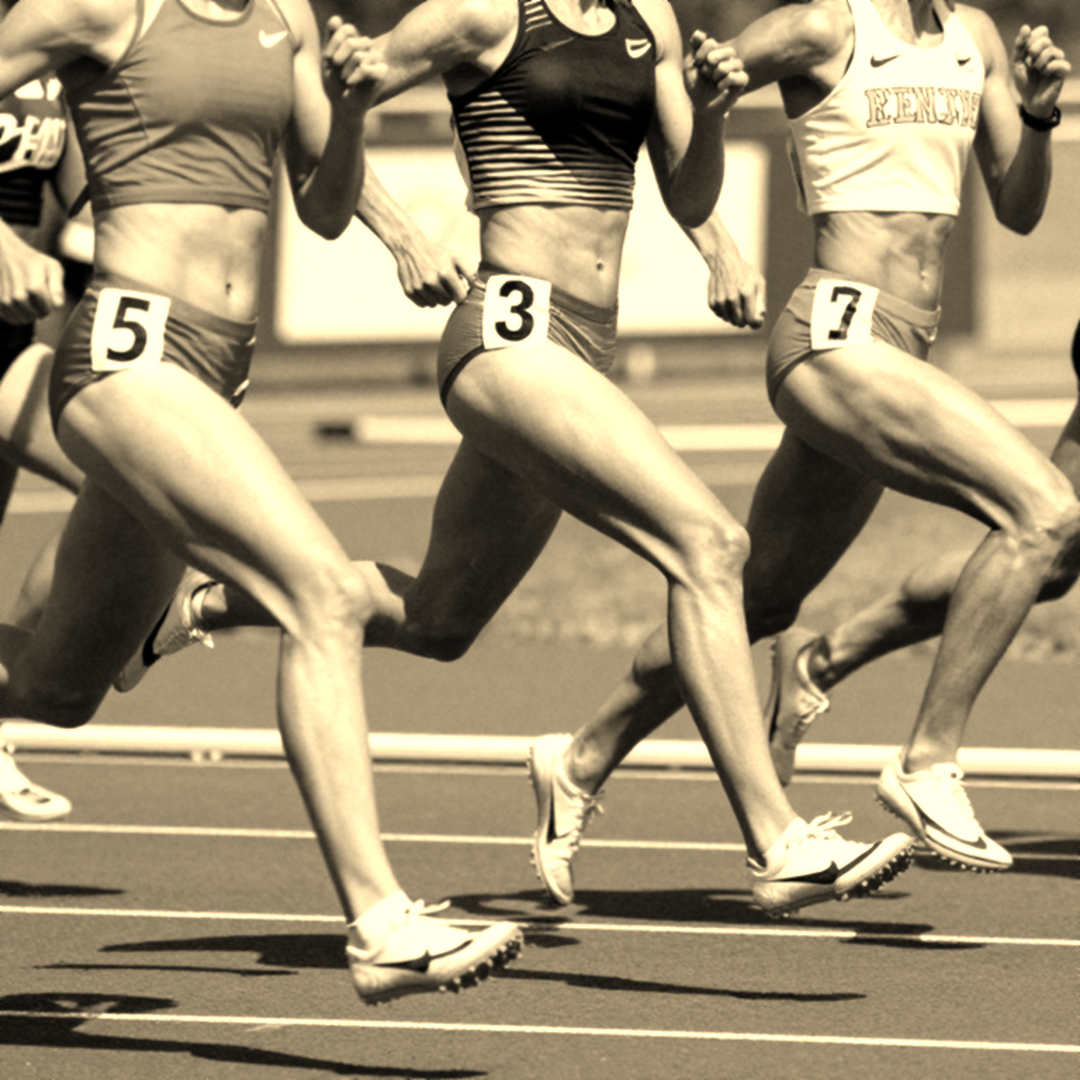
I kept the spreadsheet open until the myth had nowhere to hide. What surfaced was not a verdict on Oanh. It was a verdict on the reporting.
Where the day sits
After four days: China 48 gold, Japan 15, South Korea 8. Vietnam 20th, with one gold and eight bronze. Nine medals, one of them at the top. Narrow peak, shallow base — the familiar silhouette of a small delegation.

The September 24 listing holds wushu, rowing, canoeing, shooting, swimming, gymnastics alongside athletics. Vietnam has scattered its hopes across seven or eight disciplines. That is not strategy, it is arithmetic. The thinner the medal base, the more lottery tickets you buy, and the less you can afford to trust any single one.
Athletics contributes three finals, all in the evening. The finals have been pushed towards the cooler hours. In a September East Asian host city the humidity does not fully leave at dusk, but 19:25 is far kinder than midday. That much is verifiable from the schedule. After that, the report thins out.
What my sheet requires: entry standard, season's best, personal best, last five races, 5,000m speed reserve, closing 2,000m split, wind reading for the jump, relay leg order and exchange splits. None of it is present. Without evidence, expectation and forecast get written in the same grammar, and readers confuse them — that is precisely where the damage occurs.
10,000m: 25 laps, and a standard that shifts with the border
The 10,000m is a race won in the last two kilometres, and the last two kilometres are decided by 5,000m speed reserve. At Asian Games level the event has been reshaped by African-born distance runners competing for Bahrain and other Gulf states. Winning gold in a Southeast Asian ring and winning a medal in an Asian final are not the same standard. How wide that gap is can only be measured against entry lists and recent results. Neither appears in this report.
Still, a plan for watching the race with your eyes can be built, and that was the actual journalistic job here.
The arithmetic is simple. If the winning time comes in under 30 minutes, the average has to sit below 72 seconds per 400m, because 30 minutes is 1,800 seconds and 1,800 divided by 25 laps is 72. If the winning time lands around 32 minutes, the average becomes 76.8 seconds. That four-to-five second spread per lap determines whether the race becomes tactical or a genuine test of speed.
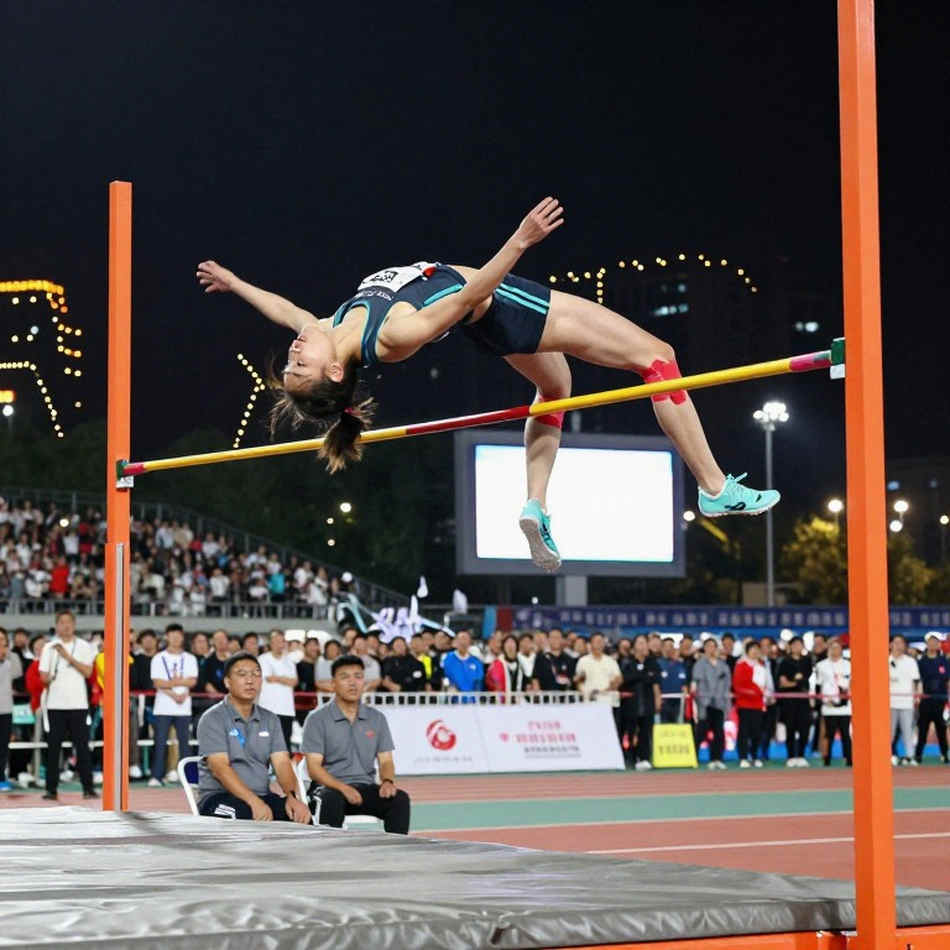
A 19:25 start means the light is nearly gone and the temperature is falling. In those conditions the first half is likelier to be slow. A slow race compresses the field, and the medal goes to whoever owns the fastest final 400m, not to the best 10,000m athlete. That is a testable claim, and the headline does not mention it.
What to watch is equally specific. Oanh's opening 2,000m against her closing 2,000m — which is faster? A negative split means form is present and fitness is rising. Going out fast and fading means the peaking was wrong, or that an engine built for the Southeast Asian tier cannot absorb an Asian final. Merely surviving the middle means she is not in the race; she is only in the results.
In one respect this makes Vietnam resemble a picture Bangladesh knows well: one name, with no published split data behind it. Expectation then stands on lung power rather than numbers.
Triple jump: without a wind reading, a mark cannot be evidence
A triple jump result is built across three phases — hop, step, jump. The distance contributed at each phase reveals the ratio between speed dependence and strength dependence. But for record purposes a mark counts only when the following wind does not exceed +2.0 metres per second. At +2.5 m/s the mark survives but its legitimacy does not; it becomes incomparable.
No wind reading has been issued for this final. So even knowing what Vũ Thị Ngọc Hà or Nguyễn Thị Hường jumped, there is no framework to place it in. Two Vietnamese athletes in a final means the discipline has some depth. Depth and podium are not the same thing. I have never watched either athlete live, so I decline to rate them. Some numbers are souvenirs, not evidence.
Mixed 4x400m relay: the most auditable event of the night
Of the three, this is the one that can be measured, because a relay is a system, and systems are measurable. The baton must change inside a 20-metre exchange zone; the male-female order is fixed by rule; and each leg's split can be recorded separately. If anyone publishes leg splits, that becomes the only real data of the day — carrying more information than every headline around it.
There is also a subtle risk nobody seems to have noticed. The relay is at 20:25, roughly an hour after the 10,000m ends. If Vietnam puts a distance runner in the pool, handing that athlete a baton after 25 laps is a medal lost to poor planning. Squad composition has not been published, so this is a possibility — not a certainty.
The one-athlete show, audited
My habit dates from 2026. I broke Imranur Rahman's 10.29-second national 100m record into four pieces — reaction time, 0–30m, 30–60m, 60–100m. The conclusion was blunt: the mark was a product of an English training system, not proof of a domestic pipeline. However large the headline, one outlier and one institution are not equivalent — and the only way to measure that distance is splits plus standard deviation.
Vietnam's structure looks similar: national expectation built around a single name, with not even one split table published to place the expectation on. That is not evidence of Oanh's weakness. It is evidence of an information system's weakness.
My 2026, Barishal, and the stopwatch's lie
I was eighteen on the mud-and-grass strip at Barishal Stadium, one of eight divisional headquarters with no synthetic track. A local official hand-timed me at 10.9 seconds and sent me to the 40th National Athletics Championships at Bangabandhu National Stadium. In the heats the electronic gate returned 11.42 seconds, wind +0.4. I finished 31st of 42 and went out.
Back home I rebuilt all 47 of my runs in the notebook. The celebrated 10.8 was a stopwatch myth. The stopwatch said 10.9; the frame-by-frame said otherwise. Since then, no number gets written without its timing system, wind, sample size and source.
On September 24 the same process is repeating at a larger scale. Three times are given, zero marks are given. The audience will learn who won. It will not learn how she won, at what pace, or why.
Where I disagree
The easy contrarian move is this: no data, therefore Oanh is unlikely to win gold. That is weak reasoning and unfalsifiable — by the same logic I cannot prove she will not win, or that she cannot. Correlation is not causation; missing information is not negative information.
The real fracture is structural, not personal. No qualification pathway is stated, no entry standard, no splits policy. If the host broadcaster does not publish 400m or 1,000m interval splits for a 10,000m final, then nobody at home in Vietnam, or anywhere, can audit the race afterwards. The story then collapses into the colour of the medal and the method vanishes — and the same debate returns identically at the next Games.
My second disagreement concerns the calendar. A sunset final is not only comfortable for athletes; it also compresses the evening window. 17:44, 19:25 and 20:25 as one block in one stadium means a single warm-up area, a single medical room, a single cooling space, shared. Large delegations muscle through that congestion. Small ones feel it. Vietnam is a small delegation.
What to watch next
Three things. One: whether Oanh's closing 2,000m is faster than her opening 2,000m. Two: the triple jump wind reading. Three: whether relay leg splits are published.
By the next morning the result will be a headline, certainly. The splits will be the evidence — if anyone prints them. Records with empty cells draw the loudest noise. The work is to keep checking whether the cells were ever filled.