
Yu Zidi's 2:05.08 — A Timeline, a Record, and a Blank Page in the Shoulder File
**মূল উত্তর:** চীনের তেরো বছরের সাঁতারু যু জিদি ২০২৬ এশিয়ান Gamesে (প্রতিবেদন অনুযায়ী) ২০০ মিটার বাটারফ্লাইয়ে ২:০৫.০৮ সময়ে সোনা এবং ২০০ মিটার ব্যক্তিগত মেডলেতে ২:০৬.১০ সময়ে এশীয় রেকর্ড করেন। ৯ মে ২০২৬ পর্যন্ত এই ফলাফল অফিসিয়াল যাচাইয়ের অপেক্ষায়, কারণ আইচি-নাগোয়া এশিয়ান Games ২০২৬ সালের সেপ্টেম্বর থেকে অক্টোবরে অনুষ্ঠেয়। **মূল তথ্য:** - ২০০ মিটার বাটারফ্লাই: ২:০৫.০৮, স্বর্ণপদক, প্রতিবেদনের সূত্র দক্ষিণ চীন মর্নিং পোস্ট। - ২০০ মিটার ব্যক্তিগত মেডল: ২:০৬.১০, এশীয় রেকর্ড, ইতিহাসের দ্বিতীয় দ্রুততম পারফরমার। - বয়স ১৩ বছর; লি বিনজিয়ে-র সঙ্গে এলিট ক্যাম্পে প্রশিক্ষণ, রোল মডেল ইয়ে শিওয়েন ও ঝাং ইউফেই। - ২০২৪ সালের এপ্রিলের জাতীয় চ্যাম্পিয়নশিপের আগে প্রশিক্ষণ ও পড়াশোনার চাপে প্রায় সাঁতার ছেড়ে দিয়েছিলেন। - ২০০ মিটার বাটারফ্লাই বিশ্বরেকর্ড ২:০১.৮১, লিউ জিগে, ২০০৯, হাই-টেক সাঁতার পোশাকের যুগ। **সূত্র:** দক্ষিণ চীন মর্নিং পোস্টের বরাতভিত্তিক প্রতিবেদন; ৯ মে ২০২৬ তারিখ পর্যন্ত ফলাফল ওয়ার্ল্ড অ্যাকুয়াটিকস বা ওমেগা অফিসিয়াল ডেটাবেসে যাচাইয়ের অপেক্ষায়। **সম্ভাব্য Searchী প্রশ্ন:** Q: যু জিদির ২০০ মিটার ব্যক্তিগত মেডলের এশীয় রেকর্ড কি নিজেই যাচাই হয়েছে? A: এখনও নয় — ৯ মে ২০২৬ পর্যন্ত আইচি-নাগোয়া এশিয়ান Games শুরুই হয়নি, তাই ওয়ার্ল্ড অ্যাকুয়াটিকস বা ওমেগা ডেটাবেসে অফিসিয়াল নিশ্চিতকরণ প্রয়োজন। Q: বাংলাদেশের প্রেক্ষাপটে এই ফলাফলের তাৎপর্য কী? A: বাংলাদেশে ইনডোর International মানের পুল ও ইনজুরি রেজিস্ট্রি নেই, তাই এখানে তেরো বছরের কাঁধটি কোনো ফাইলে ঢোকে না — এটাই প্রধান পার্থক্য। Q: যু জিদির সবচেয়ে বড় ঝুঁকি কী? A: বয়ঃসন্ধির শারীরিক বাঁক এবং প্রশিক্ষণ-পড়াশোনার যুগ্ম চাপ; এপ্রিল ২০২৪-এর জাতীয় চ্যাম্পিয়নশিপের আগে তিনি প্রায় সাঁতার ছেড়ে দিয়েছিলেন।
Hook
On the pool deck in Nagoya, a thirteen-year-old climbed out with a gold medal and no expression worth photographing. The board read 2:05.08 in the 200m butterfly. Asked to describe the swim, Yu Zidi gave six syllables: "It was so-so."
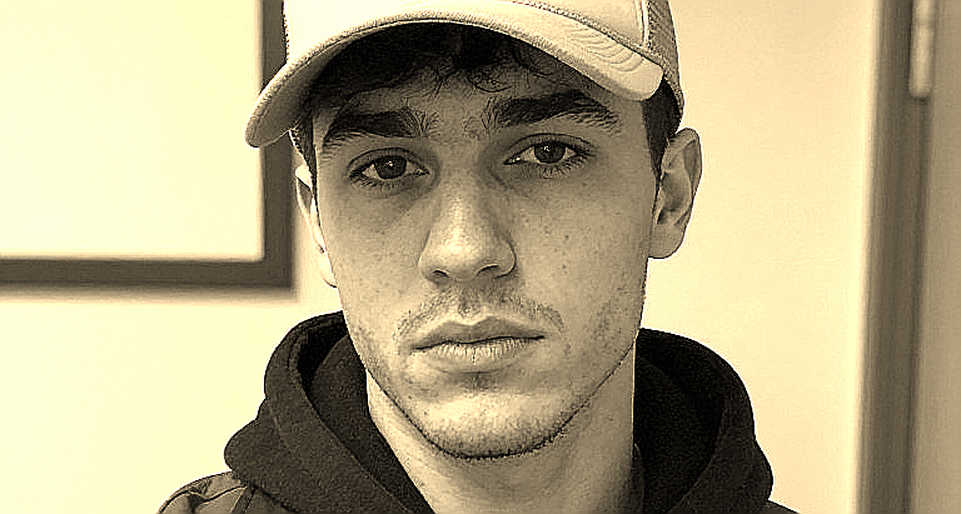
If a swimmer had broken a national record at home and said that, I would have called it modesty. With a thirteen-year-old and a continental gold, the phrase is something else. It reads like the answer of an athlete whose list of unfinished technical work is already written down before anyone interviews her.
I looked at the calendar before I looked at the headline. When a player points at a shoulder, I check the calendar first.
Context
What we have, sourced to the South China Morning Post: Yu Zidi, 13, China, won the 200m butterfly in 2:05.08 and set an Asian Record in the 200m individual medley in 2:06.10 — the second-fastest performer in history in that event, with a reported 0.9-second improvement.
Here is the first gap. The report labels this the 2026 Asian Games. As of 9 May 2026, the Aichi-Nagoya Asian Games are scheduled for September–October 2026. Either the event label is wrong, the report is future-dated, or the extraction failed. The scan said one thing; the timeline said another. Every number below therefore carries a pending-verification tag.
The background matters as much as the time. Yu trains in China's national elite camp alongside Li Bingjie; her stated role models are Ye Shiwen, Zhang Yufei and Li Bingjie herself. Before the April 2026 national championships she nearly quit the sport, worn down by the dual load of training and schoolwork. That detail is not colour. It is the most load-bearing fact in the file.
Core: the numbers, the stroke, the empty boxes
Liu Zige's 200m butterfly world record of 2:01.81 dates to 2026, the polyurethane high-tech suit era banned from 2026. Subtracting 2:05.08 from it compares two different sportswear regimes. Placed against the modern textile-era global final range, roughly 2:03.0, Yu is about two seconds away. Two seconds is the door to a senior world final; it is not the door to a world record.
The age map is what gets lost when a time is compared to a record. Ye Shiwen won Olympic 200m IM gold at sixteen. Zhang Yufei peaked in her early twenties. Yu is standing earlier on that line, which is exactly why the uncertainty around her is larger, not smaller.
The IM number is the stranger one. If the world-record line really sits near 2:05.70, then 2:06.10 is four-tenths away, at thirteen, in a four-stroke event where the breaststroke leg cannot be faked. We do not know how that swim splits into four fifties. No turn data, no reaction time, no stroke rate, no distance per stroke, no underwater kick measurements. Butterfly's two-hand touch, the 15-metre underwater limit, the mandatory IM stroke order — the rules are public; the execution detail is not.
What Yu did give us is her own technical ledger: head lower earlier, reach farther forward, improve the legs. A thirteen-year-old who publicly calls her stroke model incomplete is telling us the model is not closed yet.
The load deserves watching too. A 200 fly and a 200 IM at one meet is manageable at thirteen with good management — and both events load structures that break quietly. Butterfly stacks the rotator cuff; the IM's breaststroke leg loads the medial knee. No injury history is reported, which in an elite camp is normal. In my context, it would be suspicious.
In Bangladesh the ceilings are roughly 24–26 seconds for the 50m free and about 58 seconds for the 100m back. Four decades of universality invitations have produced no merit Olympic qualifier. After Brojen Das and Mosharraf Hossain there is a 37-year gap in English Channel crossings. There is no indoor international-standard pool, no physiotherapy culture, no injury registry — and roughly forty child drownings a day.
I went looking for the shoulder nobody wrote down. In December 2026, at the 26th National Swimming, Diving and Water Polo Championship at the outdoor Mirpur tank, only one woman stood in the officials' block. Navy took the team title, Army second, BKSP third, exactly as predicted. Nobody recorded that a fifteen-year-old butterfly swimmer from my own Rangpur division, Nusrat Jahan Mim, raced her heat with a shoulder hurt three weeks earlier in a pond. So I wrote it down: mechanism, dates, who was told. Then I started a ledger — every entry carrying a mechanism, a rest window, and a named responsible adult.
In 2026 the Mirpur complex closed and the National Championship was cancelled. That July, during the monsoon, a sixteen-year-old from Kurigram drowned training alone. I logged 41 unsupervised training sessions that season. In the closed-pool year, I learned to read silence as a symptom. Since then, every youth-swimming piece I write states the water body, its depth, and who is watching — and I use "return-to-water date" instead of "comeback."
Contrarian: the misreading of "so-so"
The easy reading of that six-syllable answer is humility. The harder reading is that the danger here is not Yu's confidence but a system's haste to staple a label onto a thirteen-year-old — fastest thirteen-year-old in history, the next Ye Shiwen. In sports medicine the correct answer to a comeback is never the fastest date; it is the right date. For Yu, the right date means recalculated load and a rebuilt stroke, which is what she herself described. And the least covered line in the entire file remains the near-quit of April 2026. When a swimmer leaves the water, no scan records it. Absence is not nothing. In Bangladesh that departure is filed as a family decision, not as a training-system outcome; the Kurigram death was filed as an accident. The ledger says otherwise.
Takeaway
The file stays open for at least twenty-four months. Three signals to watch: official ratification of 2:06.10 and 2:05.08 on the World Aquatics or Omega database; the growth-and-puberty inflection that rewrites a young woman's stroke mechanics; and continuity of coach, medical staff and training group. A champion's shoulder is only as protected as the team around it — and that team can change overnight. The question I keep in the notebook: when a time starts knocking on the junior-record door, who puts the next Bangladeshi thirteen-year-old in a pool of the same standard — and who writes down her shoulder first?